

What to Expect From HVAC Installation Lafayette Services
A new heating and cooling system can affect indoor comfort, airflow, humidity control, and overall home performance. Understanding the HVAC installation process can help homeowners know what happens before, during, and after a new system is installed. From evaluating the property to selecting equipment and checking airflow, each stage has an important role in creating a properly functioning HVAC system.
For homeowners considering HVAC installation Lafayette services, working with an experienced local contractor can help ensure that the system is selected and installed according to the needs of the property. Chapman’s A/C & Heating provides HVAC services for customers who need help with heating, cooling, and related systems in the Lafayette area.
What Happens Before HVAC Installation?
HVAC installation usually begins with an evaluation of the existing system and the property. A contractor may examine the current equipment, ductwork, insulation, airflow, thermostat, electrical connections, and available installation space.
This assessment helps determine whether the existing setup can support the new equipment or whether modifications are needed. The size and layout of the building are also important because HVAC equipment needs to match the heating and cooling requirements of the space.
Proper equipment sizing is an important part of quality installation. The Department of Energy notes that quality HVAC installation includes appropriate equipment sizing, component matching, refrigerant charge, airflow, and duct sealing.
Choosing the Right HVAC System
HVAC systems come in different configurations, and the appropriate option depends on the building, climate, existing infrastructure, and heating and cooling requirements.
During the planning stage, a contractor may review:
- Building size and layout
- Existing ductwork
- Heating and cooling requirements
- Available installation space
- Electrical requirements
- Thermostat and control options
- Ventilation requirements
- Existing equipment condition
For homeowners researching HVAC Lafayette LA services, understanding these factors can make conversations with contractors more productive.
The goal is to select equipment that can provide appropriate capacity without relying solely on the size of an existing system. Oversized or undersized equipment can affect comfort and system performance.
How Is Existing Ductwork Evaluated?
Ductwork is an important part of HVAC installation because it distributes conditioned air throughout the building. If the existing ducts are damaged, poorly sealed, improperly sized, or difficult to access, they may require repair or replacement.
Contractors may inspect supply ducts, return ducts, connections, registers, and other components of the air distribution system. They may also look for visible gaps, disconnected sections, insulation problems, or restricted airflow.
Duct sizing is also important because the distribution system needs to work with the capacity and airflow requirements of the HVAC equipment. The Department of Energy recommends proper duct sizing and air sealing as part of quality HVAC installation.
How Are HVAC Refrigeration Components Connected?
Air conditioning and heat pump systems use refrigeration components to transfer heat. During installation, these components need to be properly connected and checked according to equipment specifications.
Refrigerant work is an important technical part of installation because an incorrect charge or connection can affect system operation. Quality installation guidance includes verifying the refrigerant charge and ensuring adequate airflow in relation to the system.
Some properties may also have specialized cooling requirements. Homeowners interested in an HVAC refrigeration system can review refrigeration-related services when evaluating their cooling needs.
How Is the Ductwork Installed?
Duct installation depends on the building’s design and the layout of the HVAC equipment. Ducts need to be routed in a way that allows conditioned air to reach the required areas while minimizing unnecessary restrictions.
Flexible ducts, metal ducts, and other duct materials can be used depending on the application. When flexible ducts are installed, proper support is important to prevent excessive sagging, compression, or restricted airflow.
For sheet metal ductwork, connections and seams should be properly secured and sealed. Insulation may also be necessary when ducts are located in areas that are not conditioned.
What Happens After the Equipment Is Installed?
Installation does not end when the equipment is physically in place. The completed system should be checked to confirm that the major components are operating correctly.
Depending on the system, this may involve checking airflow, thermostat operation, refrigerant charge, electrical connections, duct connections, and other operating conditions.
Testing helps identify installation issues before the system is placed into regular use. Proper commissioning and system checks are important because HVAC performance depends on both equipment and installation quality.
What Should Homeowners Know About HVAC Lafayette Services?
Homeowners researching HVAC Lafayette services may encounter contractors offering installation, repairs, replacement, and maintenance. It is useful to understand which service is actually needed before beginning a project.
A new installation may be appropriate when existing equipment has reached the end of its useful service life or when the current system no longer meets the property’s heating and cooling requirements. In other situations, repair or maintenance may be enough.
A professional evaluation can help determine the condition of the existing system before a replacement decision is made.
Why Is HVAC System Maintenance Important?
After installation, regular maintenance can help identify developing problems and keep the equipment operating according to manufacturer requirements.
Maintenance may include inspecting system components, checking filters, examining electrical connections, cleaning appropriate components, checking airflow, and reviewing system operation.
Homeowners interested in ongoing HVAC system maintenance can use a maintenance plan to establish a regular service schedule rather than waiting until a noticeable problem develops.
What Can Affect HVAC Installation Time?
The length of an installation depends on several factors. A straightforward equipment replacement may require less work than an installation that involves major duct modifications or electrical changes.
Factors that can affect the work include:
- Type of HVAC equipment
- Accessibility of the installation area
- Condition of existing ductwork
- Required electrical modifications
- Refrigerant line requirements
- Thermostat or control changes
- Need for equipment removal
- Building layout
Unexpected conditions discovered during the work can also affect the installation process.
What Should You Ask HVAC Contractors Lafayette LA?
Before beginning an HVAC project, homeowners can ask contractors several questions about the proposed work. This can help clarify what is included in the installation and what changes may be required.
Useful questions include:
- How will the system size be determined?
- Will the existing ductwork be inspected?
- Does the ductwork need repair or replacement?
- What equipment components will be replaced?
- Will airflow and system operation be tested after installation?
- Are thermostat or electrical modifications necessary?
- What maintenance does the manufacturer recommend?
Clear communication before installation can help reduce misunderstandings and ensure that the project addresses the property’s actual requirements.
When Should You Consider Professional HVAC Service?
Homeowners may need professional HVAC service when the system is no longer providing consistent heating or cooling, airflow is uneven, unusual sounds occur, or equipment repeatedly develops problems.
Professional service can also be appropriate when a system is being evaluated for replacement. An inspection can help determine whether repair, maintenance, or HVAC installation is the more appropriate solution.
For residents looking for HVAC service Lafayette LA, a qualified contractor can assess the equipment and explain what work may be required based on the system’s condition.
Final Thoughts
HVAC installation involves more than simply replacing an old heating or cooling unit. Proper installation includes evaluating the property, selecting appropriately sized equipment, reviewing ductwork, completing connections, sealing air distribution components, and checking system operation.
Understanding these steps can help homeowners prepare for an HVAC project and ask informed questions throughout the process. Whether the project involves a complete replacement or modifications to an existing system, proper planning and installation are important for reliable operation.
Homeowners who want to discuss their HVAC installation requirements can contact Chapman’s A/C & Heating to learn more about the appropriate next steps.
FAQs
1. What does HVAC installation include?
HVAC installation can include removing existing equipment, installing new heating or cooling equipment, connecting ductwork and other components, completing required electrical or refrigerant connections, and testing system operation.
2. How do I know what size HVAC system I need?
HVAC system size should be determined based on the building’s heating and cooling requirements rather than simply matching the size of an existing unit. A professional assessment can help determine the appropriate equipment capacity.
3. Is sheet metal ductwork suitable for HVAC systems?
Sheet metal ductwork is commonly used in HVAC air distribution systems. It can be fabricated into different configurations and should be properly connected, sealed, and insulated when required for the installation environment.
4. Should ductwork be inspected during HVAC installation?
Yes. Inspecting ductwork can help identify leaks, damage, poor connections, insulation problems, or airflow restrictions that could affect the performance of a newly installed HVAC system.
5. Why is maintenance important after HVAC installation?
Regular maintenance can help identify developing issues, keep components in appropriate operating condition, and support consistent system performance. Following the equipment manufacturer’s recommended maintenance schedule is an important part of ongoing HVAC care.
Search
Get Started Today
Don't let comfort take a day off. Contact us for a free quote or emergency service.
Recent Posts
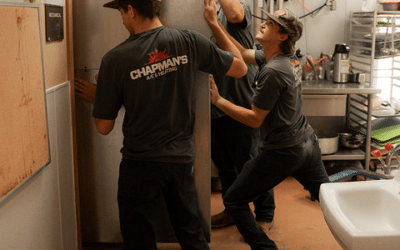
What to Know About Duct Repair Services and AC Duct Repair
The ductwork in an HVAC system plays an important role in moving heated and cooled air throughout a home or commercial building. When ducts develop leaks, cracks, loose connections, or other damage, airflow can become uneven and some rooms may not receive the...
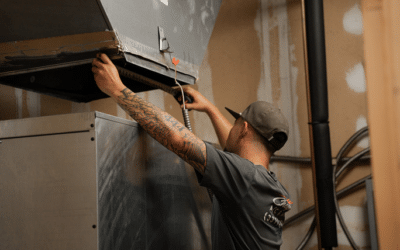
Benefits of Commercial HVAC Services Lafayette LA for Businesses
Commercial buildings depend on properly functioning heating, ventilation, and air conditioning systems to maintain suitable indoor conditions throughout the year. Offices, retail stores, restaurants, warehouses, and other commercial properties can have different...

What to Know About Commercial Refrigeration Systems
Commercial refrigeration systems are an important part of many businesses that need to keep food, beverages, ingredients, medicines, or other temperature sensitive products within controlled temperature ranges. These systems are designed for continuous operation and...

What Is the Difference Between Air Duct Cleaning and Air Duct Repair Services?
Air Duct Cleaning and air duct repair services address different problems within an HVAC system. Air Duct Cleaning focuses primarily on removing accumulated dust, dirt, debris, and other contaminants from the duct system. Air Duct Cleaning may be considered when...

How Can Proper Duct Repair Services Help Improve Indoor Air Quality?
Duct Repair Services can play an important role in maintaining healthier and more comfortable indoor environments. Duct Repair Services address problems within the air distribution system that can affect how heated and cooled air moves throughout a home. When ductwork...